Slurry Process Pumps for Abrasive, High-Solids, and Difficult Fluids
EDDY Pump slurry process pumps are built for industrial transfer where conventional pumps struggle with abrasion, solids, viscosity, cavitation, and maintenance. Choose the right setup — submersible, flooded suction, or self-priming — and get a recommended pump configuration for your application.
Built for abrasive slurry, sludge, grit, paste, muck, tailings, and difficult process fluids
Choose the right deployment: submersible, flooded suction, or self-priming
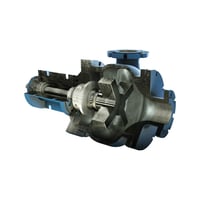
Patented recessed rotor + open volute geometry with large internal pass-through and non-clog design
Wide operating range: 1 to 7,300 GPM and head up to 240 feet; ask about HHHV for more extreme duty
Trusted by the U.S. Navy for over 30 years
30–70% solids pumping
1 - 7,300 GPM
Up to 240 ft head
Up to 12" solids passage
Submersible / Flooded Suction / Self‑Priming
U.S. Navy Trusted 30+ Years
Why Choose a Slurry Process Pump?
When you are moving abrasive, solids-laden, viscous, or debris-filled fluid, a standard clean-water pump is usually the wrong tool for the job. A purpose-built slurry process pump is designed to keep production moving where wear, clogging, unstable suction, and downtime can wreck a normal pumping setup.
Key benefits:
Handles abrasive and solids-laden material better than general-duty pump designs
Helps reduce clogging, seal trouble, and maintenance interruptions in difficult service
Supports continuous-duty industrial transfer in pits, tanks, hoppers, basins, and process lines
Can be matched to the site with submersible, flooded suction, or self-priming deployment
Improves uptime when the application includes rags, string, rocks, grit, sludge, or mixed debris
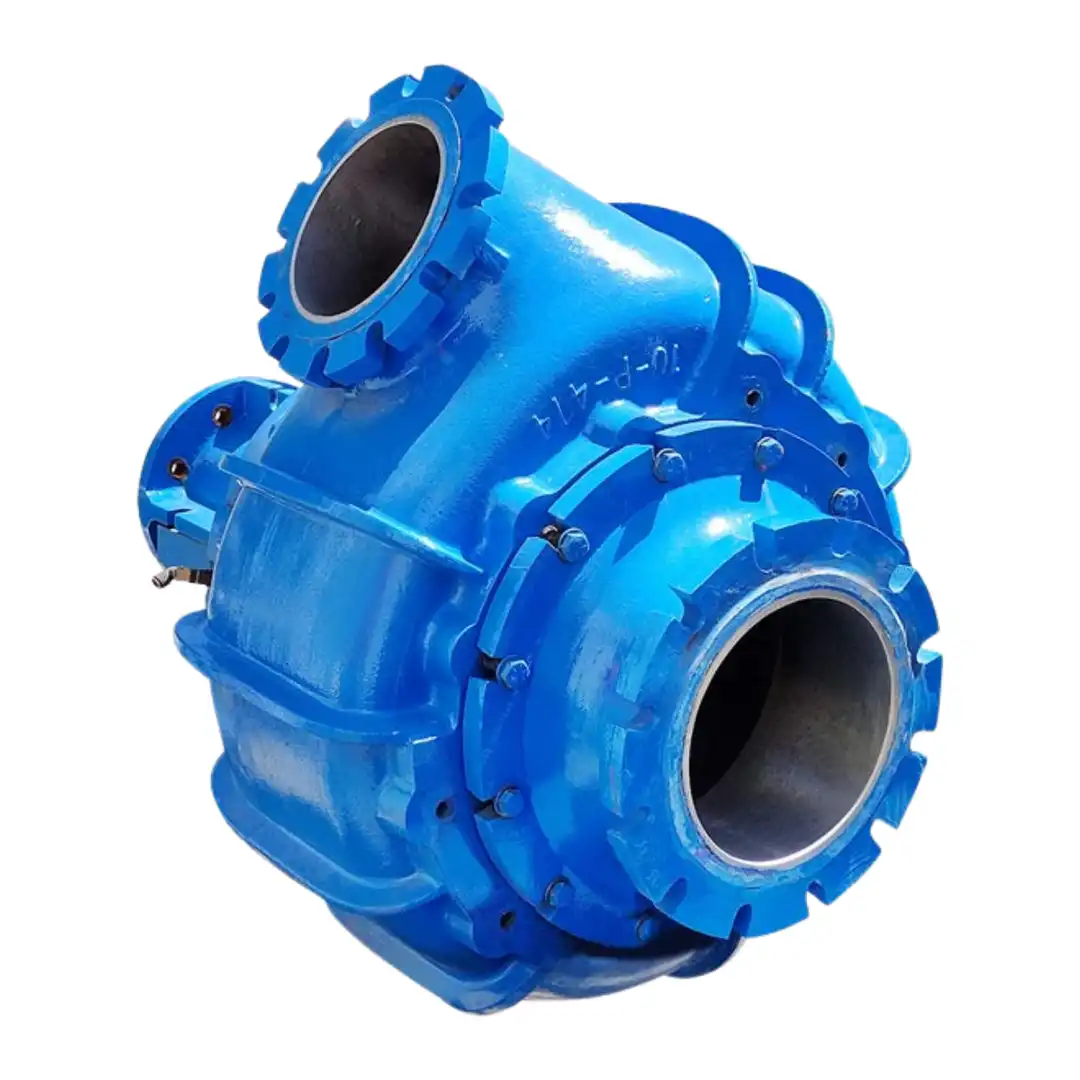
EDDY Pump is built around a patented recessed rotor and open volute geometry that creates a lower-restriction hydraulic path than tight-clearance conventional pumps. The result is a slurry pump family designed for difficult fluids, larger internal pass-through, and more reliable pumping in harsh conditions.
Patented recessed rotor geometry designed to lower restriction and reduce turbulence
Large internal clearances for solids and debris that commonly plug conventional pumps
Built for abrasive, corrosive, high-specific-gravity, and higher-viscosity materials
Wear-resistant material options including high chrome and stainless configurations
Multiple setup choices so the pump fits the site instead of forcing the site to fit the pump
The right slurry pump is not just about pump size. It is about choosing the right deployment for the way your material is stored, fed, accessed, and maintained.
Submersible Slurry Pumps
Best when the pump needs to sit directly in the slurry or fluid source. This is a strong fit for pits, ponds, tanks, sumps, dredging support, dewatering, and applications where priming should be taken off the table.
Flooded Suction Slurry Pumps
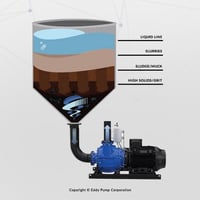
Best when the fluid source sits above the pump and gravity can keep the inlet continuously fed. This is often the best fit for fixed plant layouts, tanks, hoppers, and process systems that benefit from stable inlet conditions and lower cavitation risk.
Self‑Priming Slurry Pumps (Skid or Trailer)
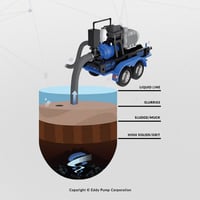
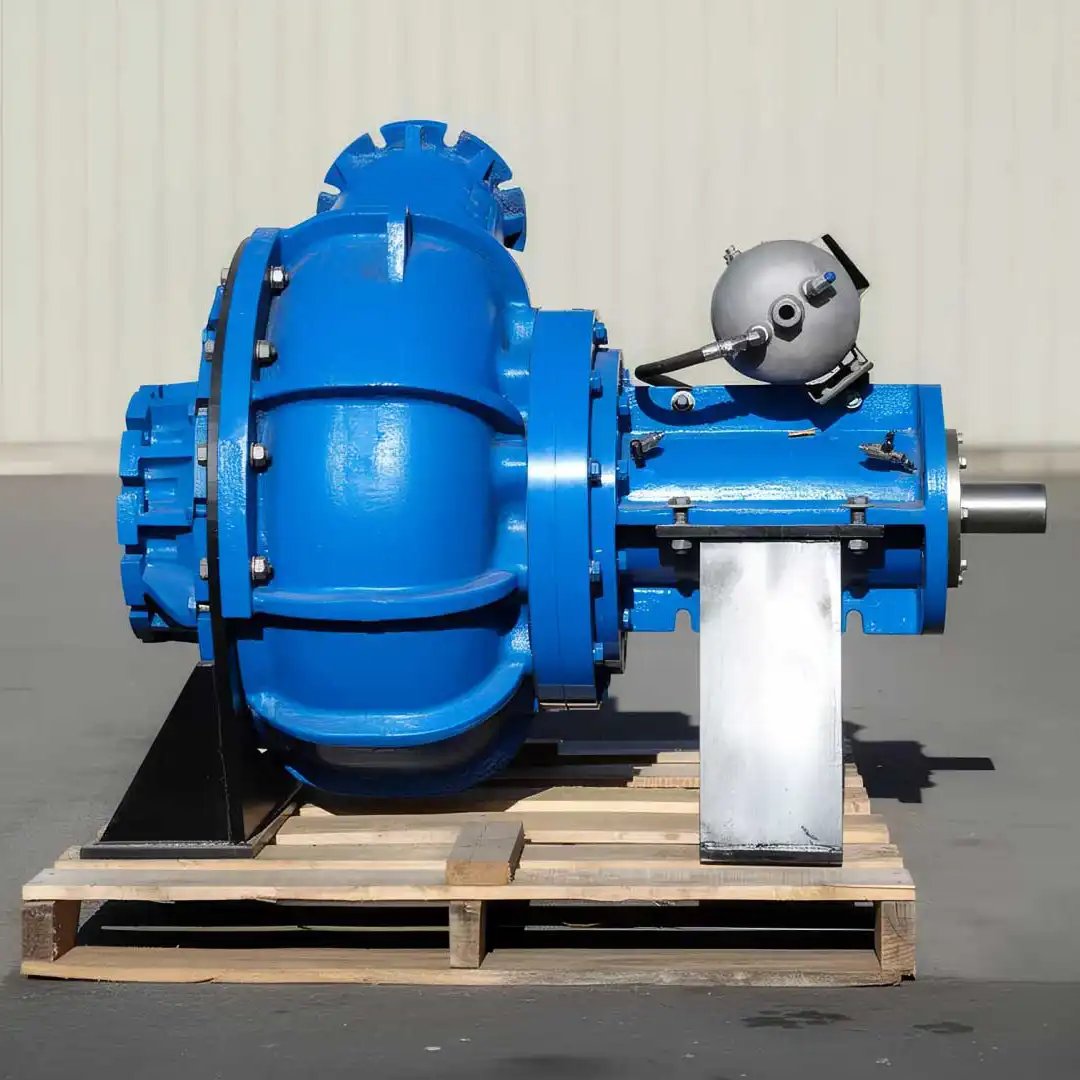
Best when the pump must stay outside the slurry and pull material through a suction hose or pipe. This is a strong fit for portable jobs, trailer or skid-mounted systems, cleanup work, and temporary transfer applications.
Conventional centrifugal pumps can suffer from impeller wear, seal failure, clogging, and unstable performance when solids and abrasion increase
Tighter-tolerance pumps may lose uptime faster when rags, string, rocks, and mixed debris are present
EDDY Pump is especially compelling when uptime, large pass-through, setup flexibility, and harsh-duty reliability matter more than textbook clean-water efficiency
A pump designed for difficult slurry service can better tolerate solids, abrasives, and viscosity without becoming a maintenance project
Get Pricing + the Right Pump Setup for Your Application
Tell us what material you are pumping, where the pump will sit, and what flow / head you need. We will recommend the best setup — submersible, flooded suction, self-priming, or HHHV when warranted.
A slurry process pump moves abrasive, dense, viscous, corrosive, or solids-laden fluid through an industrial process. The right design depends on the material, the installation, and the required flow and head.
What is the difference between submersible, flooded suction, and self-priming pumps?
Submersible pumps sit in the fluid. Flooded suction pumps sit outside the fluid but below the liquid level so gravity keeps the inlet fed. Self-priming pumps sit outside the fluid and pull material through suction lift.
When should I choose flooded suction instead of self-priming?
Choose flooded suction when your fluid source can gravity-feed the inlet and you want stable flow with lower cavitation risk. Choose self-priming when the pump must remain outside the fluid and portability or easy maintenance access matters more.
Can these pumps handle abrasive or higher-viscosity material?
Yes. This page is built around abrasive, difficult, and higher-solids service. For more extreme high-viscosity or higher-head requirements, ask for the HHHV configuration.
What industries use slurry process pumps?
Common industries include mining, wastewater, chemical processing, oil and gas, paper and pulp, construction, manufacturing, and dredging-related process service.
What information do you need to size the pump correctly?
We need to know the material, solids content, largest solids size, flow target, head / pressure or discharge distance, power availability, and whether the pump needs to be submersible, flooded suction, or self-priming.
Do you offer help choosing the right setup?
Yes. One of the strongest conversion messages on this page should be that the job is not just to quote a pump; it is to recommend the right deployment type and duty fit.
What happens after I submit the form?
We’ll follow up with a recommended configuration (pump type + size + drive + materials) and pricing/availability.
.svg)